


Capsicum chinense | Solanaceae (Nightshade family) | Native to Central and South America, but widely cultivated in Tropical regions (e.g., Mexico, Central America, and the Caribbean).
Small, elongated, and pointed pods that mature to a bright orange or red color, often with a wrinkled, scorpion-like tail.
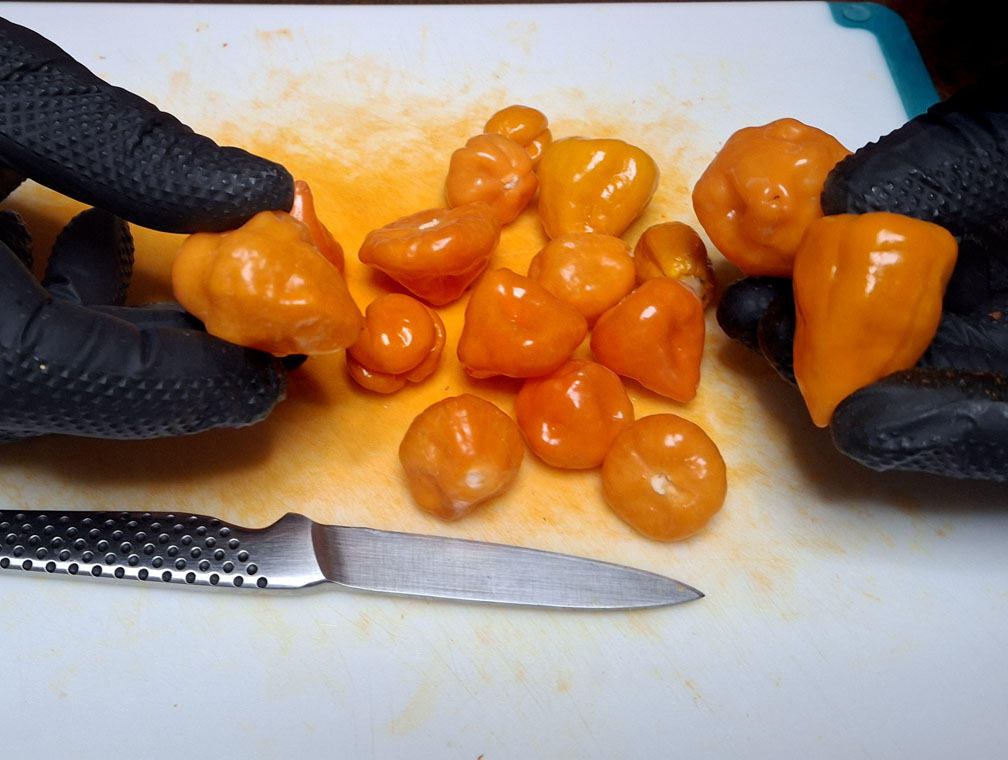
The Orange Habanero pepper is renowned for its vibrant color and complex flavor profile.
Here's a detailed description of its smell and flavor:

Smell: The aroma of the Orange Habanero pepper is often described as fruity and slightly sweet, with underlying citrus and floral notes.
The scent is enticing and can be quite strong, hinting at the pepper's intense heat.
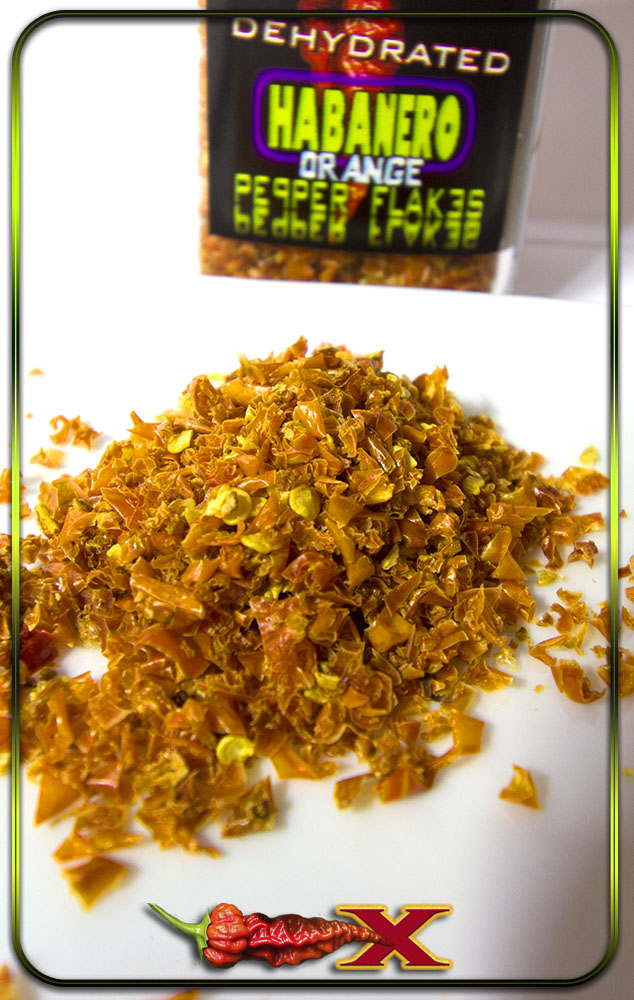
The fruity aroma is reminiscent of tropical fruits like mango or pineapple, which adds a layer of depth to the pepper's profile.
The smell is often compared to a mix of citrus and floral scents, with a hint of smokiness.
Flavor: The flavor of the Orange Habanero pepper is complex and multifaceted. Here are some key notes:
Initial Taste: The initial taste is often fruity and slightly sweet, with a prominent citrus flavor.
This fruity flavor can be reminiscent of tropical fruits like mango or pineapple, which adds a layer of depth to the pepper's profile.
Heat Build-Up: As you continue to taste the pepper, the heat begins to build rapidly.
The capsaicin in the pepper provides an intense, lingering burn that can be overwhelming for those not accustomed to spicy foods. The heat is often described as clean and intense, without the bitterness that some other hot peppers may have.
Underlying Flavors: Beneath the heat, there are subtle floral and slightly smoky notes.
These underlying flavors help to balance the intense heat, making the pepper more enjoyable for those who appreciate complex flavor profiles.
Finish: The finish is long and fiery, with a lingering burn that can last for several minutes.
The heat is often described as clean and intense, without the bitterness that some other hot peppers may have. The aftertaste can leave a pleasant, fruity residue that complements the heat.
Overall, the Orange Habanero pepper offers a unique combination of fruity, citrus, and floral flavors, all wrapped in an intense, lingering heat.
This makes it a favorite among pepper enthusiasts who enjoy exploring the boundaries of spicy food.
The Orange Habanero's complex flavor profile makes it a versatile ingredient in various cuisines, from hot sauces and salsas to marinades and stews.
Its heat and flavor are often compared to other habanero varieties, but the Orange Habanero has a distinct character of its own.
The Orange Habanero pepper typically has a Scoville Heat Unit (SHU) rating ranging from 100,000 to 350,000 SHU.
This places it among the hotter peppers, but it is generally considered more manageable than superhot varieties like the Ghost pepper or the Trinidad Moruga Scorpion.
The heat level can vary slightly depending on the specific variety and growing conditions.
The Orange Habanero pepper is a nutrient-rich food that offers a range of essential vitamins, minerals, and antioxidants.
Here are some key nutritional facts about the Orange Habanero pepper:
Low in Calories: Orange Habanero peppers are low in calories, making them an excellent addition to a weight-conscious diet. They are primarily composed of water and fiber, which contribute to their low caloric content.
High in Vitamins: Orange Habanero peppers are rich in vitamins A and C. Vitamin A is essential for maintaining good vision, supporting the immune system, and promoting cell growth. Vitamin C is a powerful antioxidant that helps protect the body from damage by harmful molecules called free radicals.
It also aids in the absorption of iron and is crucial for collagen production, which is important for skin health.
Additionally, they contain other essential vitamins such as Vitamin B6, Vitamin E, and folate.
Rich in Antioxidants: Orange Habanero peppers contain antioxidants, which help combat oxidative stress in the body.
These antioxidants can help reduce the risk of chronic diseases and support overall health.
The peppers are particularly rich in carotenoids, which are more abundant in ripe specimens.
High in Capsaicin: The primary compound responsible for the heat in Orange Habanero peppers is capsaicin.
Capsaicin has been studied for its potential health benefits, including pain relief, improved metabolism, and anti-inflammatory properties.
It may also have anti-cancer properties, although more research is needed in this area.
Fiber Content: Orange Habanero peppers are high in fiber, which is beneficial for digestive health.
Fiber helps promote regular bowel movements, prevents constipation, and can aid in maintaining healthy blood sugar levels.
Minerals: Orange Habanero peppers are a good source of essential minerals such as potassium and manganese.
Potassium is crucial for heart and muscle function, while manganese plays a role in bone formation and wound healing.
Potential Health Benefits: Regular consumption of Orange Habanero peppers has been linked to various health benefits, including the prevention of cancer, heart disease, and skin-related diseases.
They may also help lower blood sugar levels and produce antioxidants in the body.
Nutritional Profile: While specific nutritional profiles can vary, a typical serving of Orange Habanero peppers (about 100 grams) would contain a negligible amount of calories, a significant amount of vitamins A and C, and a good dose of dietary fiber.
The exact nutritional content can depend on the specific variety and growing conditions of the pepper.
In summary, the Orange Habanero pepper is a nutritious addition to any diet, offering a range of vitamins, antioxidants, and fiber, along with the potential health benefits associated with capsaicin.
However, due to its intense heat, it should be consumed in moderation.
The Orange Habanero pepper has a rich history that is deeply rooted in the Caribbean and Central American regions. Here's a detailed look at its origins and evolution:
Origin:
The Habanero pepper, including the Orange Habanero variety, originated in the Amazon basin and was later cultivated in the Caribbean, particularly in Cuba.
The name "Habanero" comes from the Cuban city of La Habana (Havana), where the pepper was widely grown and traded.
The Orange Habanero is a specific color variant of the Habanero pepper, which comes in several colors including red, orange, white, brown, and chocolate.
Early History:
Habanero peppers have been a staple in Caribbean and Central American cuisine for centuries.
They were used by indigenous peoples for both culinary and medicinal purposes.
The Orange Habanero pepper gained popularity for its vibrant color and intense heat, becoming a prized ingredient in various traditional dishes.
Cultural Significance:
In Caribbean and Central American cuisines, the Orange Habanero pepper is used in a wide range of dishes, from hot sauces and salsas to stews and marinades. It is often used in combination with other ingredients like garlic, onions, and herbs to create bold and flavorful dishes.
The pepper is also an important part of the culinary traditions in other regions, where it is used in various traditional dishes.
International Recognition:
The Habanero pepper, including the Orange variety, gained international attention as global interest in spicy food grew.
Today, it is grown and enjoyed worldwide, with many different varieties and cultivars available.
The Orange Habanero pepper is particularly popular in hot sauces and spicy food products, where its vibrant color and intense heat make it a standout ingredient.
Scientific Classification:
The Orange Habanero pepper belongs to the species Capsicum chinense, which is known for producing some of the world's hottest peppers.
Other members of this species include the Ghost pepper and the Trinidad Moruga Scorpion.
Varieties:
There are several varieties of Habanero peppers, each with its own unique characteristics.
Some popular varieties include:
Red Habanero: Known for its bright red color and intense heat.
Orange Habanero: Similar in heat to the red variety but with a slightly sweeter flavor.
White Habanero: A milder variety with a unique flavor profile.
Chocolate Habanero: A darker variety with a rich, smoky flavor.
Culinary Use:
Orange Habanero peppers are used in a wide range of dishes, from traditional Caribbean and Central American cuisines to modern fusion dishes. They are often used in hot sauces, salsas, marinades, and stews.
The pepper's unique flavor profile, which includes fruity, citrus, and floral notes, makes it a versatile ingredient in spicy dishes.
Health Benefits:
Like other chili peppers, Orange Habanero peppers contain capsaicin, which has been shown to have various health benefits.
These include pain relief, improved metabolism, and potential anti-inflammatory and anti-cancer properties.
The Orange Habanero pepper's journey from a regional specialty to a globally recognized hot pepper is a testament to its unique characteristics and the enduring fascination with spicy food.
Its history is rich with cultural significance and culinary innovation, making it a beloved ingredient in both traditional and modern cuisines
Growing Orange Habanero peppers can be a rewarding experience, as these peppers are known for their vibrant color and intense heat. Here is a detailed guide to the growing process:
Seed Germination:
Timing: Start seeds indoors about 8-10 weeks before the last expected frost date in your area. Orange Habanero peppers have a growing season of about 90-120 days to maturity from transplanting.
Soil: Use a well-draining seed-starting mix. Sow seeds about 1/4 inch deep in small pots or seed trays.
Temperature: Maintain a consistent temperature of around 80-90°F (27-32°C) for optimal germination. This can be achieved using a heat mat.
Light: Provide bright, indirect light or use grow lights to ensure the seedlings get enough light.
Watering: Keep the soil consistently moist but not waterlogged. Use a spray bottle to gently mist the soil.
Seedling Care:
Light: Once seedlings emerge, provide them with as much light as possible. If using grow lights, keep them on for 14-16 hours a day.
Temperature: Maintain a consistent temperature of around 75-85°F (24-29°C) during the day and a slight drop at night.
Watering: Water the seedlings regularly, ensuring the soil remains moist but not waterlogged.
Fertilization: Once the seedlings have their first set of true leaves, start fertilizing with a balanced, water-soluble fertilizer diluted to half strength.
Transplanting:
Timing: Transplant seedlings outdoors after the danger of frost has passed and the soil has warmed to at least 70°F (21°C).
Location: Choose a sunny location with well-draining soil. Orange Habanero peppers require full sun, ideally 6-8 hours of direct sunlight per day.
Spacing: Space plants about 18-24 inches apart in rows that are 24-36 inches apart.
Soil Preparation: Amend the soil with compost or well-rotted manure to improve fertility and drainage.
Care and Maintenance:
Watering: Water the plants regularly, providing about 1 inch of water per week. Ensure the soil remains consistently moist but not waterlogged.
Fertilization: Fertilize every 4-6 weeks with a balanced, water-soluble fertilizer. Avoid over-fertilizing with nitrogen, as this can promote leafy growth at the expense of fruit production.
Mulching: Apply a layer of organic mulch around the base of the plants to help retain moisture, suppress weeds, and regulate soil temperature.
Pest and Disease Management: Keep an eye out for common pepper pests such as aphids, spider mites, and whiteflies. Use insecticidal soap or neem oil to control pests. Ensure good air circulation to prevent fungal diseases.
Harvesting:
Timing: Orange Habanero peppers typically take 90-120 days to mature from transplanting.
The peppers will turn from green to their characteristic orange color when fully ripe.
Harvesting: Use sharp scissors or pruners to cut the peppers from the plant. Wear gloves to protect your hands from the capsaicin.
Storage: Store harvested peppers in a cool, dry place. They can also be dried, frozen, or made into hot sauces and salsas.
Overwintering:
In regions with mild winters, Orange Habanero peppers can be overwintered indoors.
Bring the plants inside before the first frost and provide them with plenty of light and consistent watering. Prune back the plants to encourage bushier growth in the spring.
Pollination:
Orange Habanero peppers are self-pollinating, but they can benefit from the presence of pollinators like bees.
If growing indoors, you may need to hand-pollinate the flowers using a small brush or cotton swab.
Support:
While Orange Habanero pepper plants are relatively compact, they can benefit from staking or caging, especially as they begin to produce fruit.
This helps to keep the plants upright and makes harvesting easier.
Temperature and Humidity:
Orange Habanero peppers thrive in warm, humid conditions.
Maintain temperatures between 75-85°F (24-29°C) during the day and provide high humidity levels, especially during the fruiting stage.
Pruning:
Pruning can help improve air circulation and encourage bushier growth.
Remove any suckers (side shoots) that grow in the crotch of branches to focus the plant's energy on fruit production.
Growing Orange Habanero peppers requires patience and attention to detail, but the reward of harvesting these vibrant and flavorful peppers makes the effort worthwhile.
The peppers' unique characteristics and culinary versatility add to the satisfaction of successfully cultivating them.
THESE SMALLER SIZES ARE ALSO AVAILABLE

©2025 XTREME HOT PEPPERS. All Rights Reserved.