


How to Overwinter Pepper Plants
Overwintering pepper plants (e.g., bell peppers, jalapeños, or chili peppers) is challenging because most are annuals and cannot survive cold temperatures. However, if you live in a mild climate or have access to indoor space, you can protect and overwinter them by bringing them indoors, using a greenhouse, or creating a sheltered environment. Here’s a step-by-step guide:
1. Prepare the Plants for Overwintering
Prune and Clean:
Remove dead leaves, stems, and flowers to reduce disease risk and stress.
Trim back the plant to 1–2 feet tall (this helps the plant enter dormancy).
Clean the plant to remove pests or debris.
Choose Hardy Varieties:
Some pepper varieties (e.g., dwarf bell peppers) are more cold-tolerant, but most peppers are not hardy and require protection.
Avoid Overwatering:
Let the plant dry out slightly before overwintering to prevent root rot.
2. Indoor Overwintering (Best for Mild Climates)
Method: Keep the plant in a cool, dark, and humid environment (e.g., a basement, garage, or indoor space).
Steps:
Move to a Protected Space:
Place the plant in a cool, dark room (e.g., a basement or closet).
Ensure good ventilation to prevent mold.
Control Temperature:
Keep the temperature between 40–50°F (4–10°C).
Avoid freezing (peppers can survive down to 30°F (-1°C), but prolonged cold can damage the plant).
Light and Humidity:
Provide indirect light (e.g., a windowsill or grow light).
Maintain 60–70% humidity using a humidity tray or misting system.
Watering:
Water sparingly (1–2 times per week) to keep the soil moist but not soggy.
Monitor for Dormancy:
The plant will enter dormancy (a dormant state) and not grow during winter.
3. Greenhouse or Cold Frame Overwintering
Best for: Growers with a greenhouse, cold frame, or sheltered outdoor space.
Steps:
Create a Microclimate:
Use a greenhouse or cold frame to insulate the plant from cold temperatures.
Control Temperature:
Keep the temperature between 40–50°F (4–10°C).
Use heating pads or insulated covers to protect against frost.
Light and Humidity:
Provide indirect light (e.g., a grow light or window).
Maintain 60–70% humidity to prevent dryness.
Watering:
Water sparingly to avoid overwatering.
4. Outdoor Protection (For Mild Climates)
Method: Use sheltered areas or cold frames to protect the plant from frost.
Steps:
Create a Sheltered Space:
Use a cold frame (a glass or plastic enclosure) to insulate the plant.
Place the plant in a sheltered spot (e.g., under a porch, against a wall).
Protect from Frost:
Cover the plant with insulated fabric or burlap during frost.
Use heat lamps or insulated covers to raise the temperature.
Monitor for Cold:
Check for frost and cover the plant if temperatures drop below 30°F (-1°C).
5. Transition Back to Outdoor Planting
When to Bring Back Outdoors:
Spring (after the last frost).
When temperatures stabilize (e.g., above 50°F / 10°C).
Steps:
Acclimate the Plant:
Gradually expose the plant to outdoor conditions (e.g., 1 hour per day for 7–10 days).
Plant in Soil:
Transplant the plant into well-draining soil (e.g., compost, perlite, and peat mix).
Water thoroughly to help the plant adjust.
Monitor for Growth:
The plant will resume growth after a few weeks.
Key Tips for Success
Do not overwater: Overwatering can kill the plant during dormancy.
Avoid direct sunlight: Indoor plants need indirect light to avoid stress.
Check for pests: Ladybugs, aphids, or diseases can damage the plant during winter.
Do not expect full growth: Overwintered plants may SOMETIMES not grow as vigorously as new plants.
Alternative: Start New Plants in Spring
If overwintering is not feasible, it’s easier to start new pepper plants in the spring by planting seeds or transplanting seedlings. This is more reliable and less stressful for the plant.
Summary
besides overwintering, I typically commence my cultivation endeavors as early as January for select strains, initiating with a substantial cohort of approximately 250 or more specimens.
This practice is highly advisable, as it affords the opportunity to meticulously identify and nurture the most robust and productive "alpha" plants.
Concurrently, it allows for the prudent elimination of those that exhibit suboptimal yield potential, thereby ensuring that only the most promising individuals advance to the next stage of development.
Presented here is a prime example of a Chocolate Ghost Pepper plant, flourishing within the confines of a one-gallon pot.

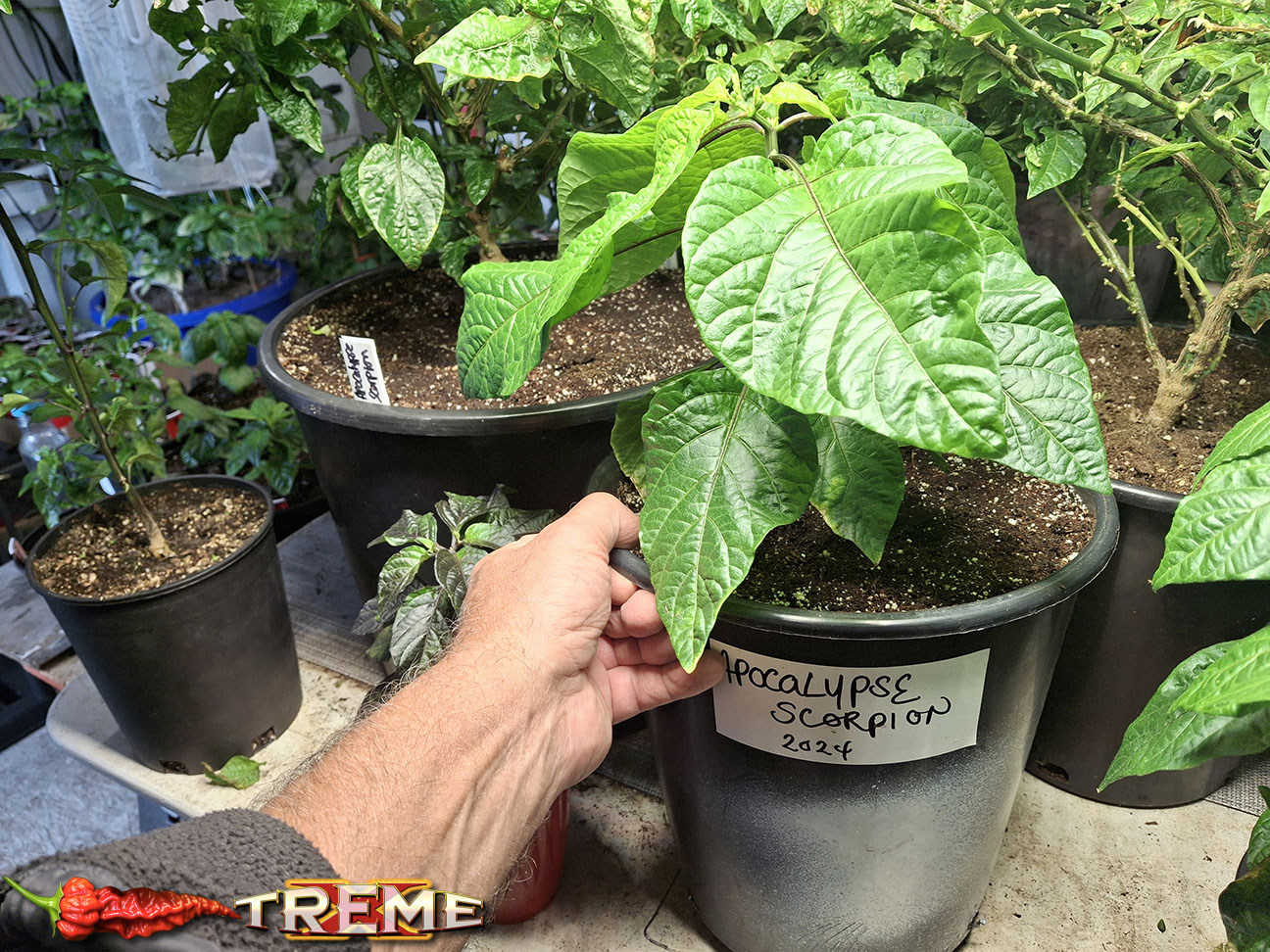
Despite the advancing season, this specimen exhibits remarkable vitality, boasting large, robust fruit that belies the November timing.
Its resilience and productivity serve as a testament to the potential of meticulous cultivation, even in the face of environmental challenges.

As the late season approaches, it is imperative to remain vigilant regarding weather patterns.
To safeguard the health and productivity of your plants, it is advisable to transition them into a controlled environment well before the onset of the first frost.
This proactive measure ensures theY continue thriving, shielded from the potential ravages of inclement weather.
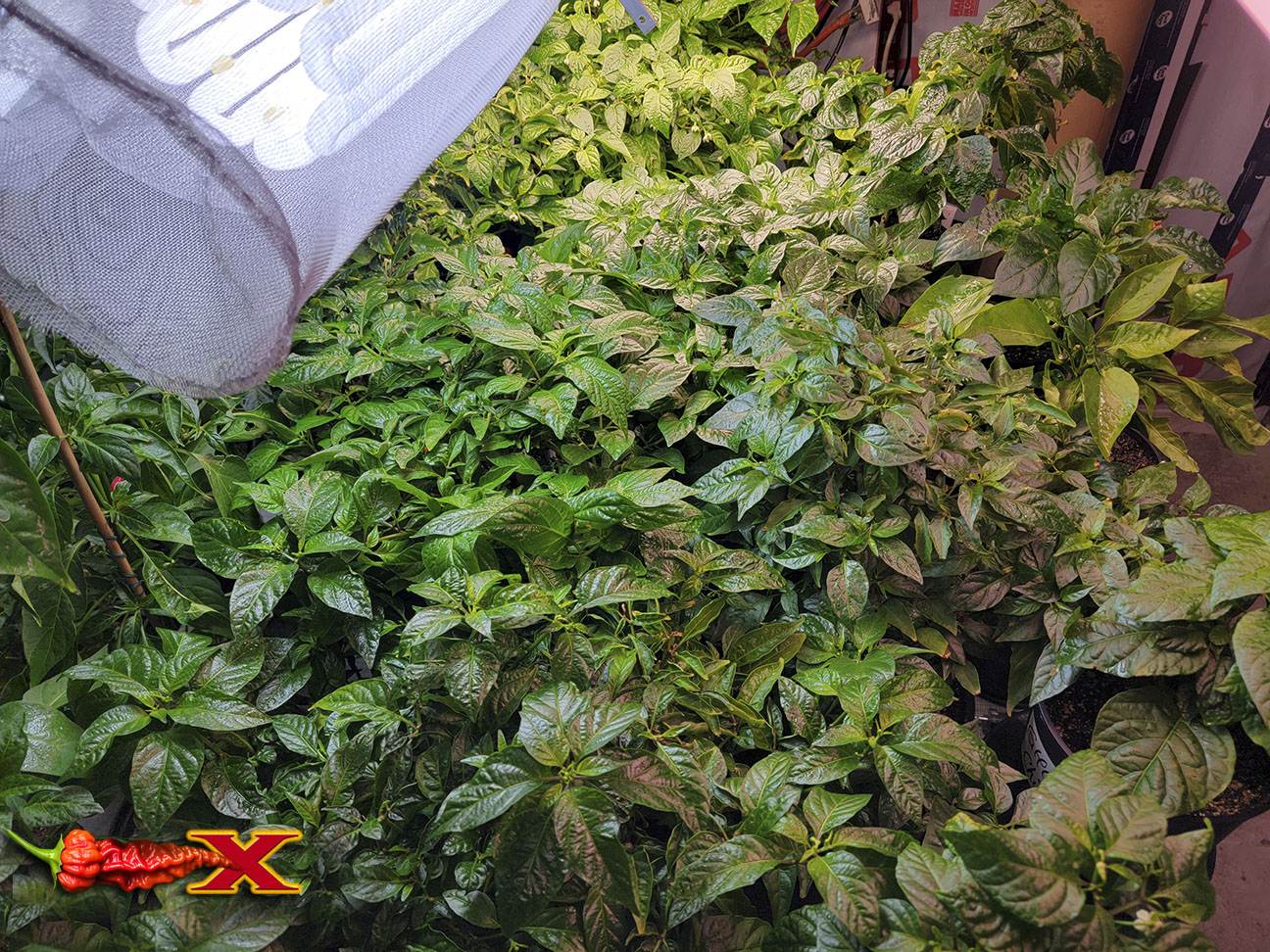
CLICK IMAGES FOR LARGER VIEW
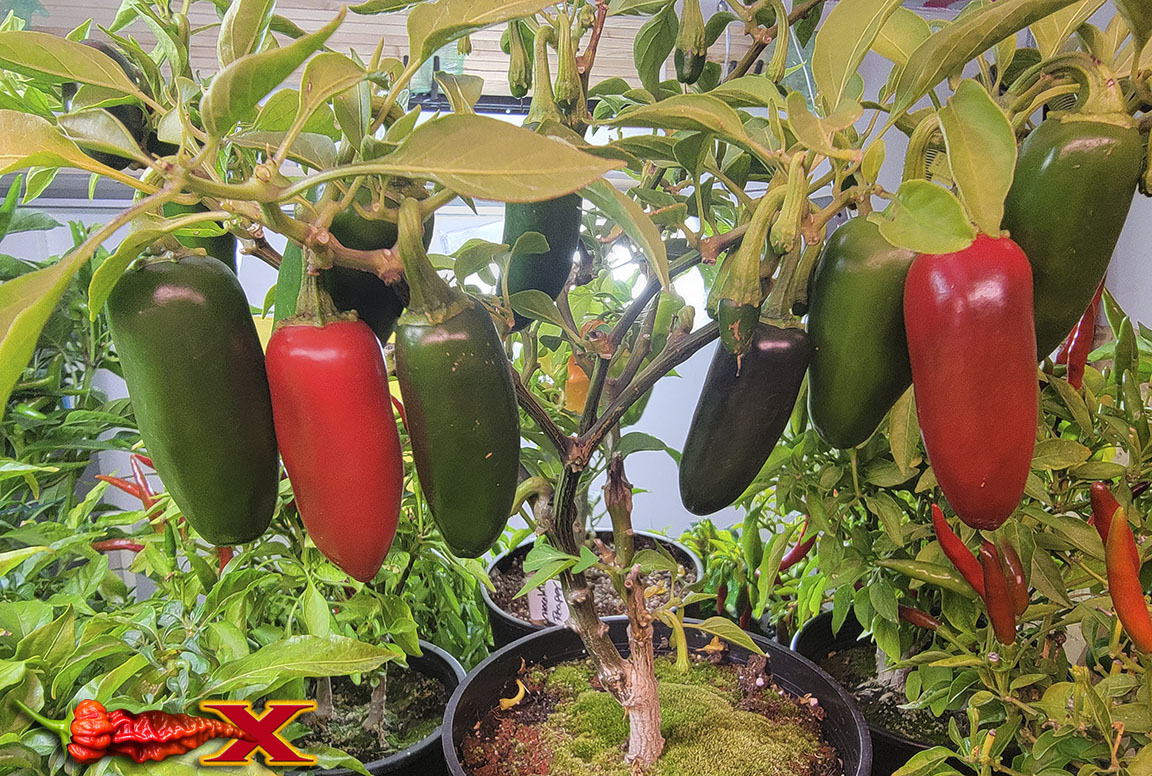
THESE IMAGES ARE ALL FROM OVERWINTERED INDOOR PEPPER PLANTS
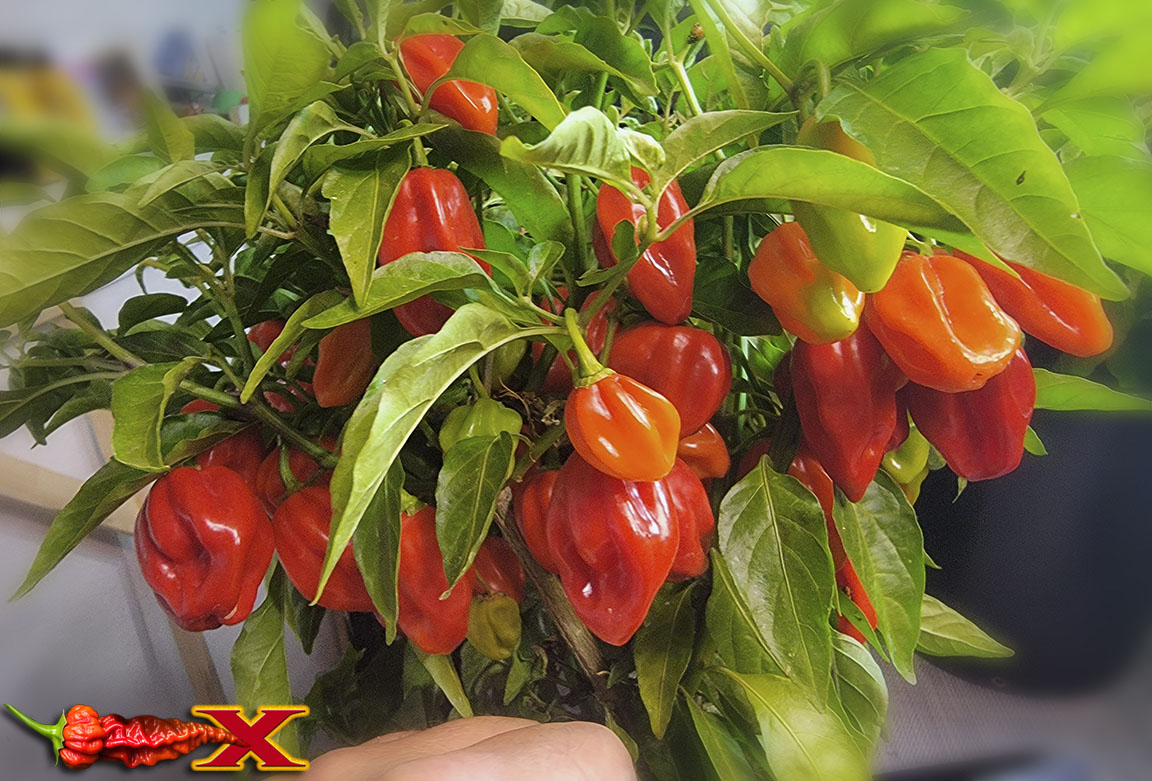
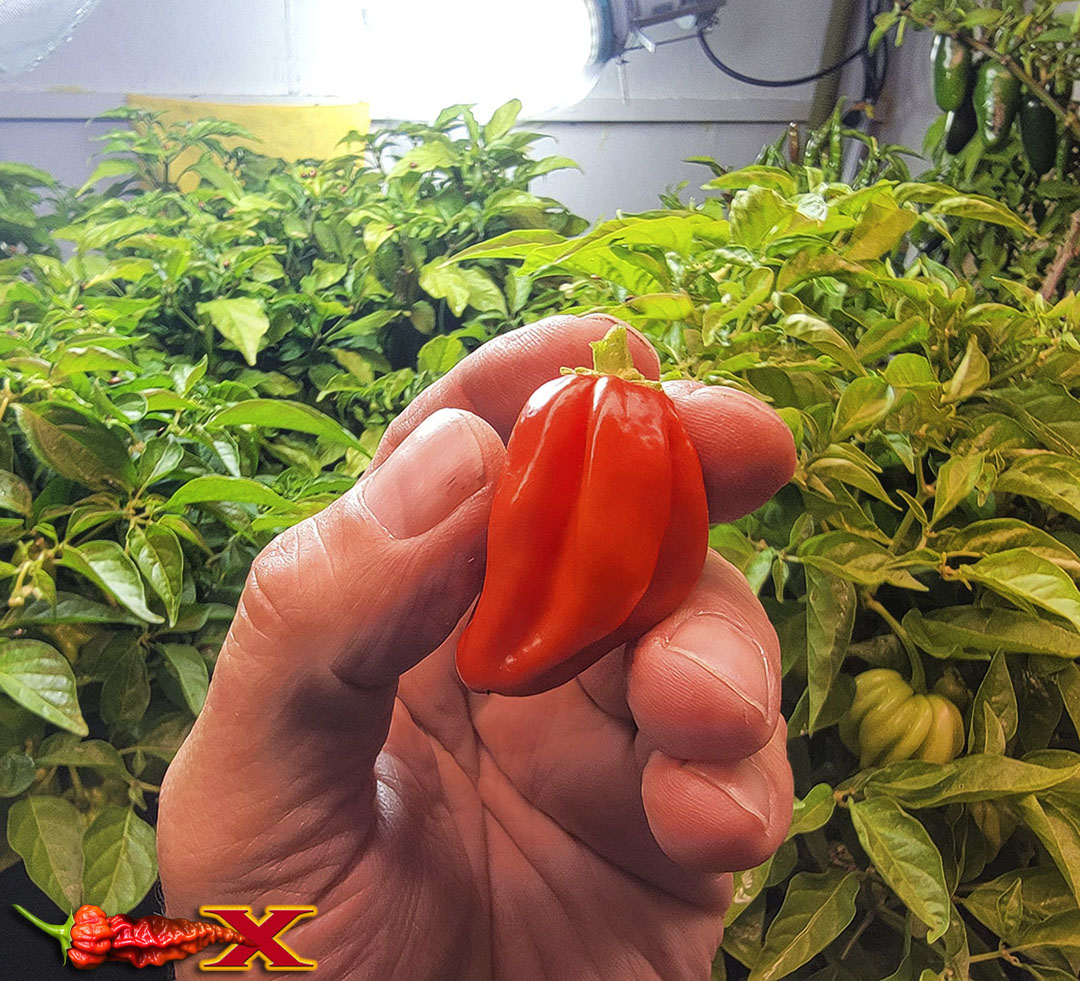

(OUTDOOR PLANTS SHIELDED FROM FROSTY NIGHTS)

By following these steps, you can protect and overwinter pepper plants in a mild climate. However, most pepper plants are not cold-hardy, and overwintering is not always practical. For best results, start new plants in the spring.
©2025 XTREME HOT PEPPERS. All Rights Reserved.