


To grow hot spicy peppers (e.g., ghost peppers, Carolina Reapers, habaneros), the best soil and fertilizer combinations are critical for nutrient availability, root development, and heat concentration. Here’s a concise, evidence-based guide:
Best Soil for Hot Spicy Peppers
Soil Type: Well-draining, slightly acidic to neutral soil (pH 6.0–6.8).
Sandy loam (a mix of sand, silt, and clay with 3–5% organic matter) is ideal.
Loamy soil with high organic matter (compost, aged manure, or peat moss) improves moisture retention and nutrient retention.
Soil Amendments:
Add organic matter (compost, aged manure, or peat moss) to improve structure, aeration, and microbial activity.
Test soil pH and adjust with lime (to raise pH) or sulfur (to lower pH) if needed.
Avoid compacted or waterlogged soil, as it hinders root growth and nutrient uptake.
Container Gardening:
Use well-draining potting mixes with perlite, vermiculite, and compost.
Add garden lime if using peat moss to balance acidity.
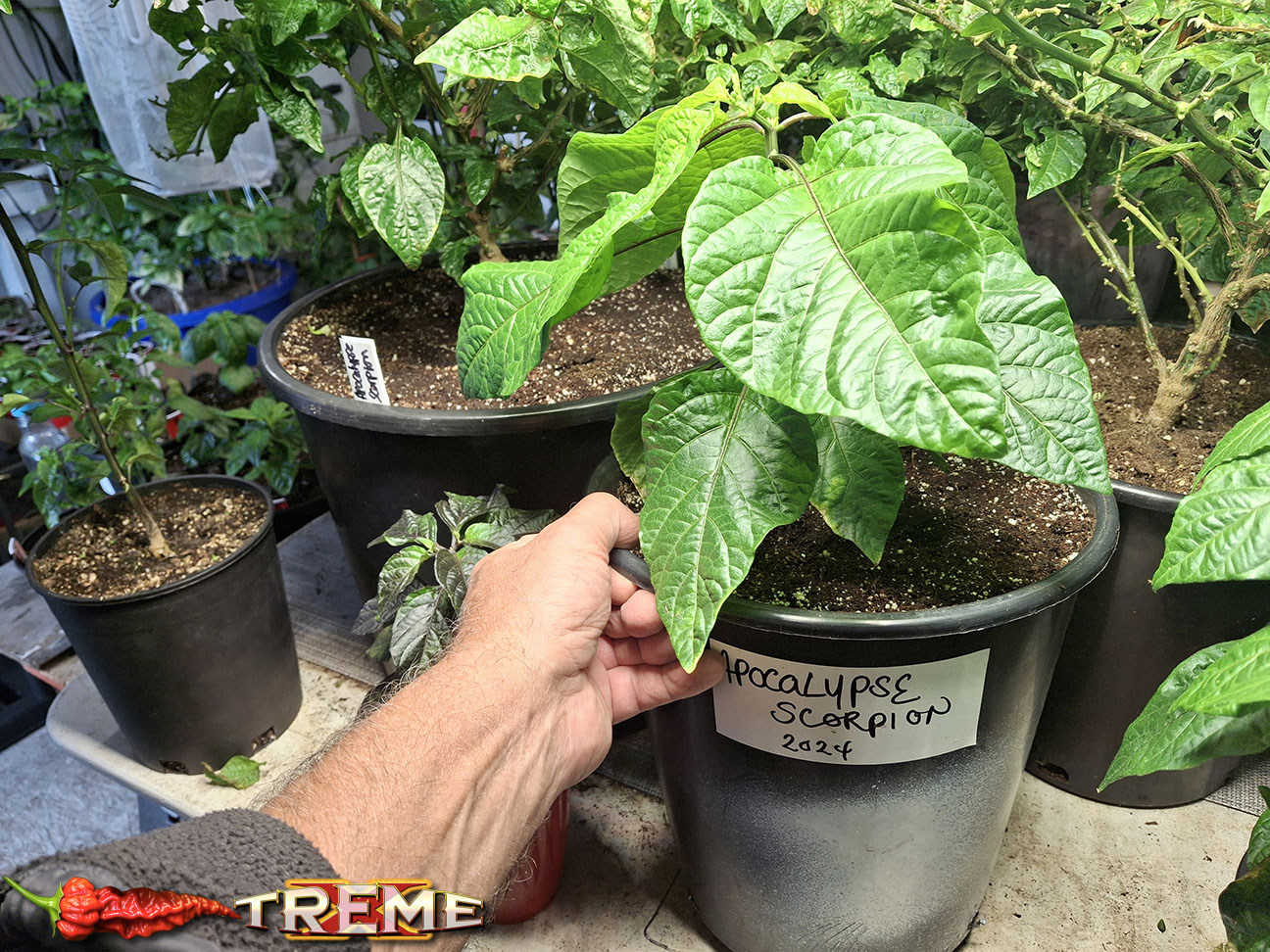
Soil Preparation:
Amend garden beds with compost or well-rotted manure to enrich fertility.
Avoid planting in soil previously used for tomatoes, eggplants, or potatoes to prevent disease.
Best Fertilizer for Hot Spicy Peppers
Nutrient Balance:
Balanced N-P-K ratio (e.g., 10-10-10 or 5-5-10) for early growth.
High phosphorus (P) and potassium (K) during flowering and fruiting to support root development, fruiting, and heat concentration.


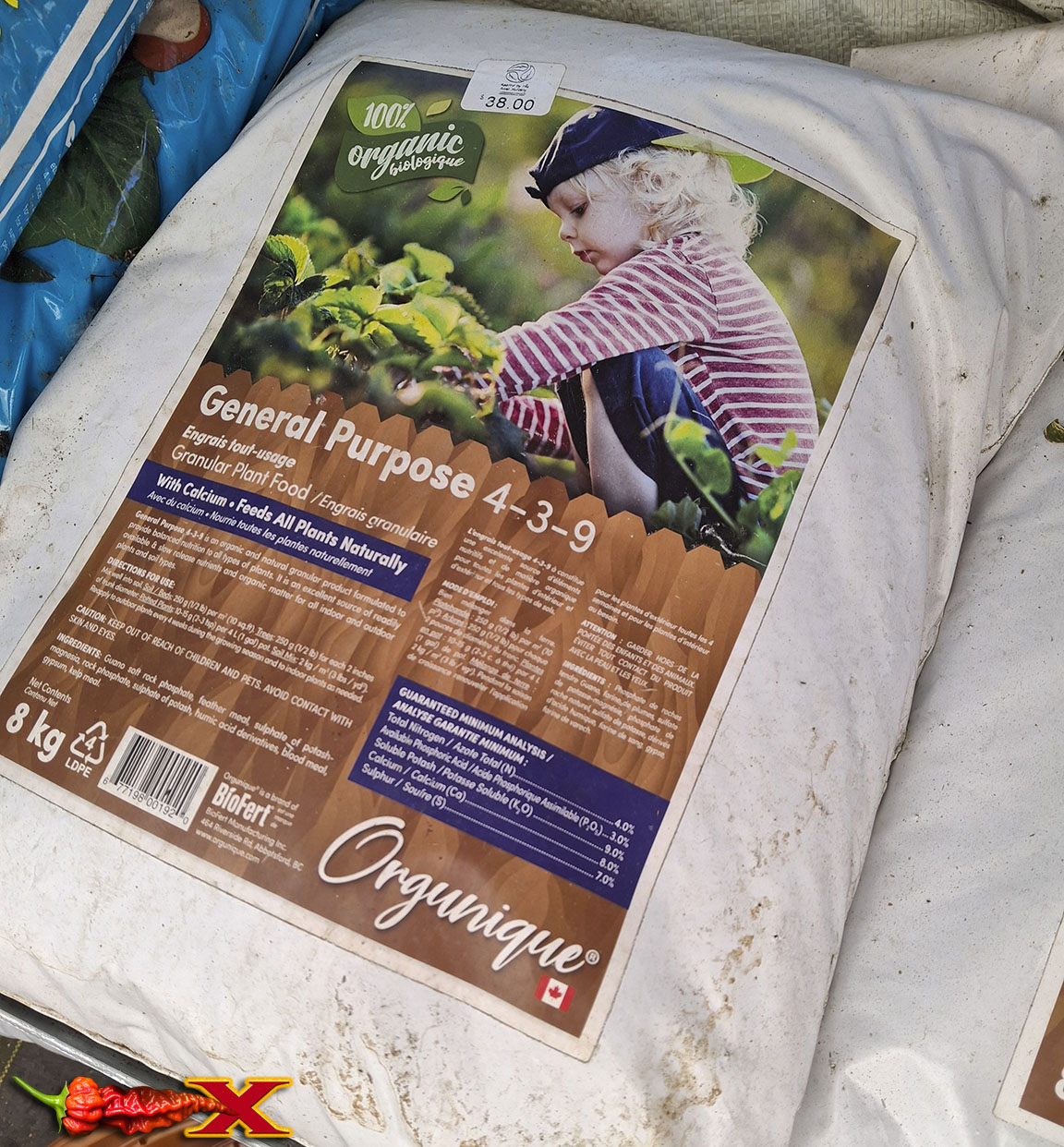

Organic Options:
Compost: Rich in organic matter and slow-release nutrients.
Fish emulsion: Balanced N-P-K with trace minerals.
Bone meal: High in phosphorus for root development.
Compost tea: Boosts microbial activity and nutrient availability.
Synthetic Options:
10-10-10 or 5-5-10 NPK fertilizers for quick nutrient delivery.
High-potassium fertilizers (e.g., 5-5-10) to enhance fruit quality and disease resistance.
Fertilization Schedule:
Early growth: Use nitrogen-rich fertilizers (e.g., fish emulsion) to promote leafy growth.
Flowering/fruiting: Switch to phosphorus and potassium-heavy fertilizers (e.g., 5-5-10) to support fruit development.
Avoid high-nitrogen fertilizers after flowering to prevent delayed fruit set.
Key Nutrients:
Calcium (in fertilizers) prevents blossom end rot.
Magnesium supports photosynthesis and overall plant health.
Key Tips for Success
Soil Testing: Regularly test pH and nutrient levels to adjust amendments.
Watering: Keep soil evenly moist but avoid overwatering (peppers dislike waterlogged soil).
Fertilizer Safety: Avoid over-fertilizing to prevent salt buildup or nutrient burn.
Container Gardens: Use well-draining mixes and regular fertilization due to rapid nutrient loss.
Example Fertilizer Recommendations
Organic: Compost, fish emulsion (5-5-10), bone meal.
Synthetic: 10-10-10, 5-5-10, or 5-10-10 NPK fertilizers.
Specialized: Products like Miracle-Gro’s Tomato, Fruit & Vegetable Plant Food (18-18-21) or Humboldts Secret Golden Tree (trace minerals + kelp).
By using well-draining, nutrient-rich soil and phosphorus/knowledge-rich fertilizers, you’ll maximize root development, fruiting, and heat concentration in hot spicy peppers. Always monitor soil pH and adjust fertilization based on plant health and environmental conditions.
Here are samples of self terminating large pots I made for larger investments.
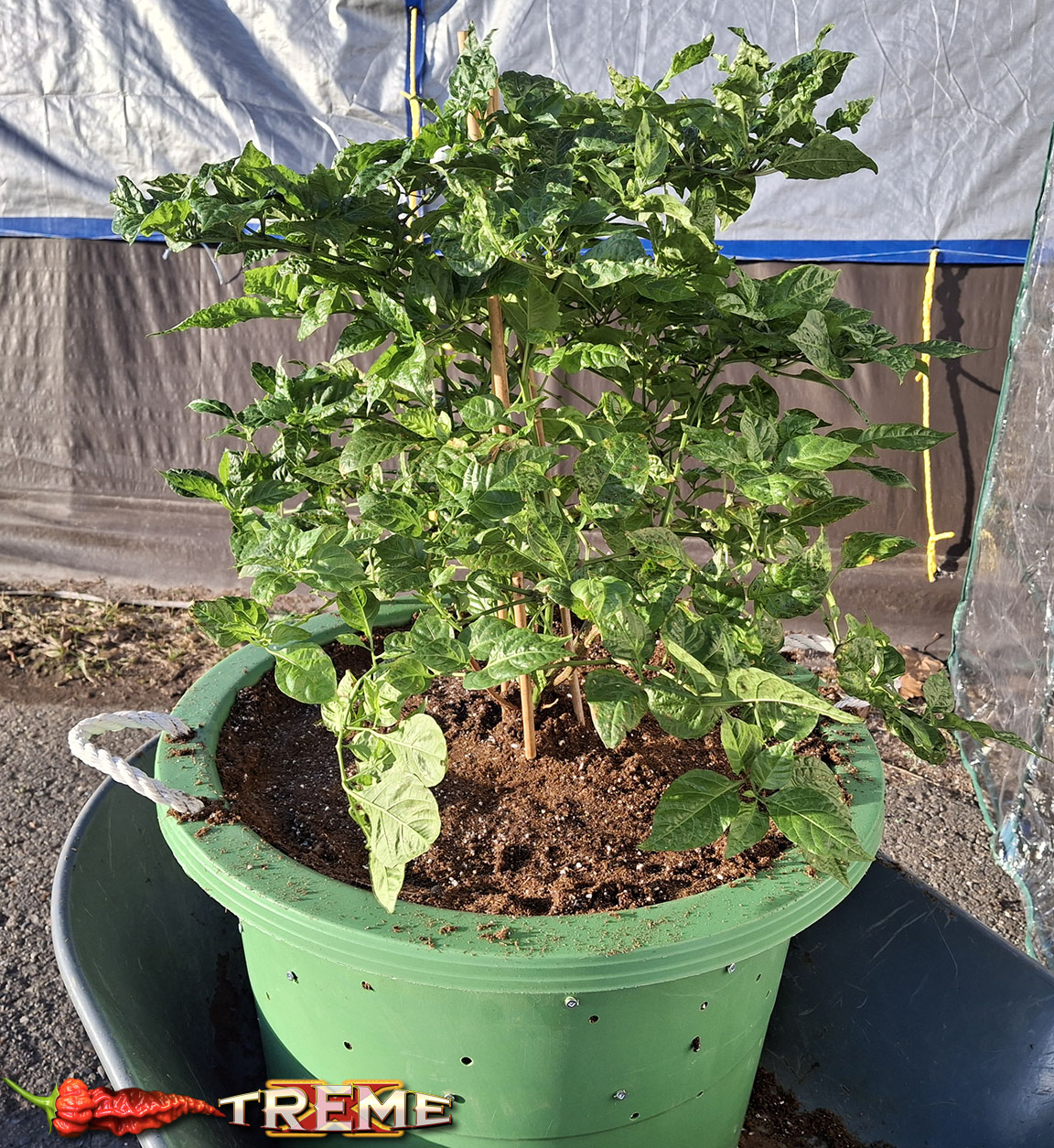
17 gallon
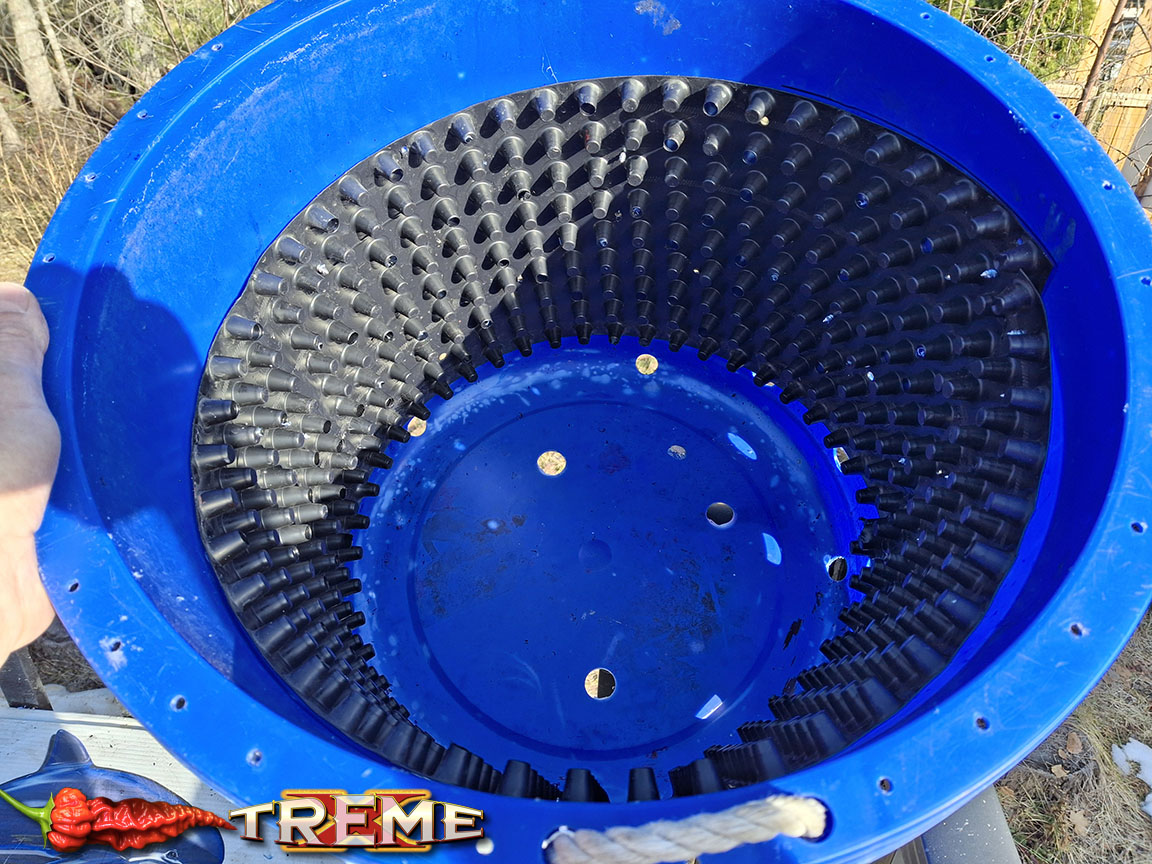
In the realm of horticulture, one encounters the inevitability of accidents, particularly when nature's forces conspire with the delicate balance of cultivation.
A robust gust of wind, with its untamed vigor, can sometimes seize the expansive canopy of a towering pepper plant, abruptly displacing it from its perch and sending it to the ground.
Witnessing such an event is a disheartening spectacle, especially when the plant is in the midst of its fruiting stage, where the promise of harvest hangs in the balance.
First, carefully remove the lower leaves from the branch, and make a precise cut at the base, ensuring a 45-degree angle.
Next, place the branch in a container filled with fresh, clean water.
Select a shaded location and maintain the broken branch there until the fruit reaches its desired ripeness, which it inevitably will.
It is imperative to replace the water with fresh water every few days to ensure the branch remains healthy and hydrated.
In the accompanying image, my cherished Carolina Reaper plant was inadvertently toppled by a fierce gust of wind, resulting in the unfortunate fracture of one of its substantial branches.
At the time of the incident, the fruit was still in its green, unripe state. However, as evidenced by the image, the fruit eventually matured to a vibrant, deep red, allowing for a successful harvest.

CLICK IMAGES FOR LARGER VIEW


THORNED RED GHOST PEPPER
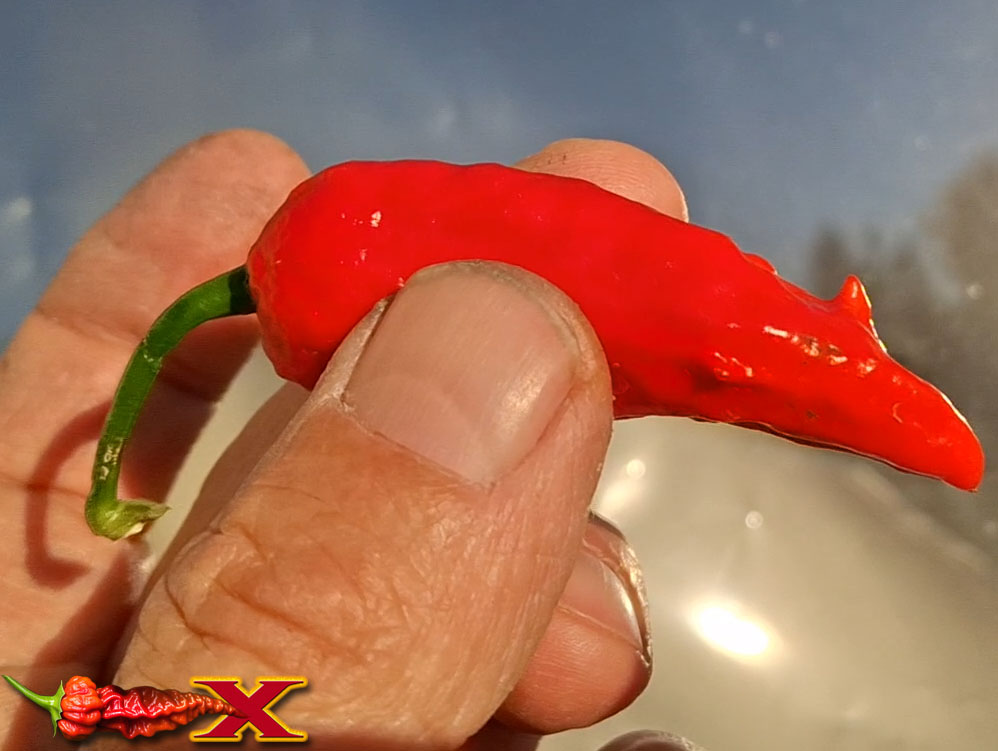
LARGE GHOST PEPPER PLANT

REAPER PEPPER PLANT

FRESH FIRE LANTERN PEPPERS

DRIED LARGE CAYENNE PEPPERS

RIPE RED POBLANO PEPPERS

MIX OF POBLANO AND PIQUILO PEPPERS

SETTING UP FOR FREEZING

COOKING WITH FROZEN PEPPERS - VIDEO

VIDEO | 'THE Bee Diner'
In the realm of bee conservation, the images capture my efforts to attract early spring bees and provide them with sugar water as a supplementary food source.
The strategy proved remarkably successful, drawing hundreds of bees.

The vibrant yellow color was instrumental in facilitating their visual connection to the feeding station,
enhancing the effectiveness of the attraction method.


If growing indoors, you may need to hand-pollinate the flowers using a small brush or cotton swab.
©2025 XTREME HOT PEPPERS. All Rights Reserved.